Our Trusted Research-Product SupplierAligned AminosUse Code JORDAN10 For 10% OffShop →Our Trusted Research-Product SupplierAligned AminosUse Code JORDAN10 For 10% OffShop →Our Trusted Research-Product SupplierAligned AminosUse Code JORDAN10 For 10% OffShop →Our Trusted Research-Product SupplierAligned AminosUse Code JORDAN10 For 10% OffShop →
Hypertrophy coaching for lifters 35+ · Roster kept small · Applications reviewed personally
Jordan Schwartz

The coach

Coached from the stage, not the sidelines.

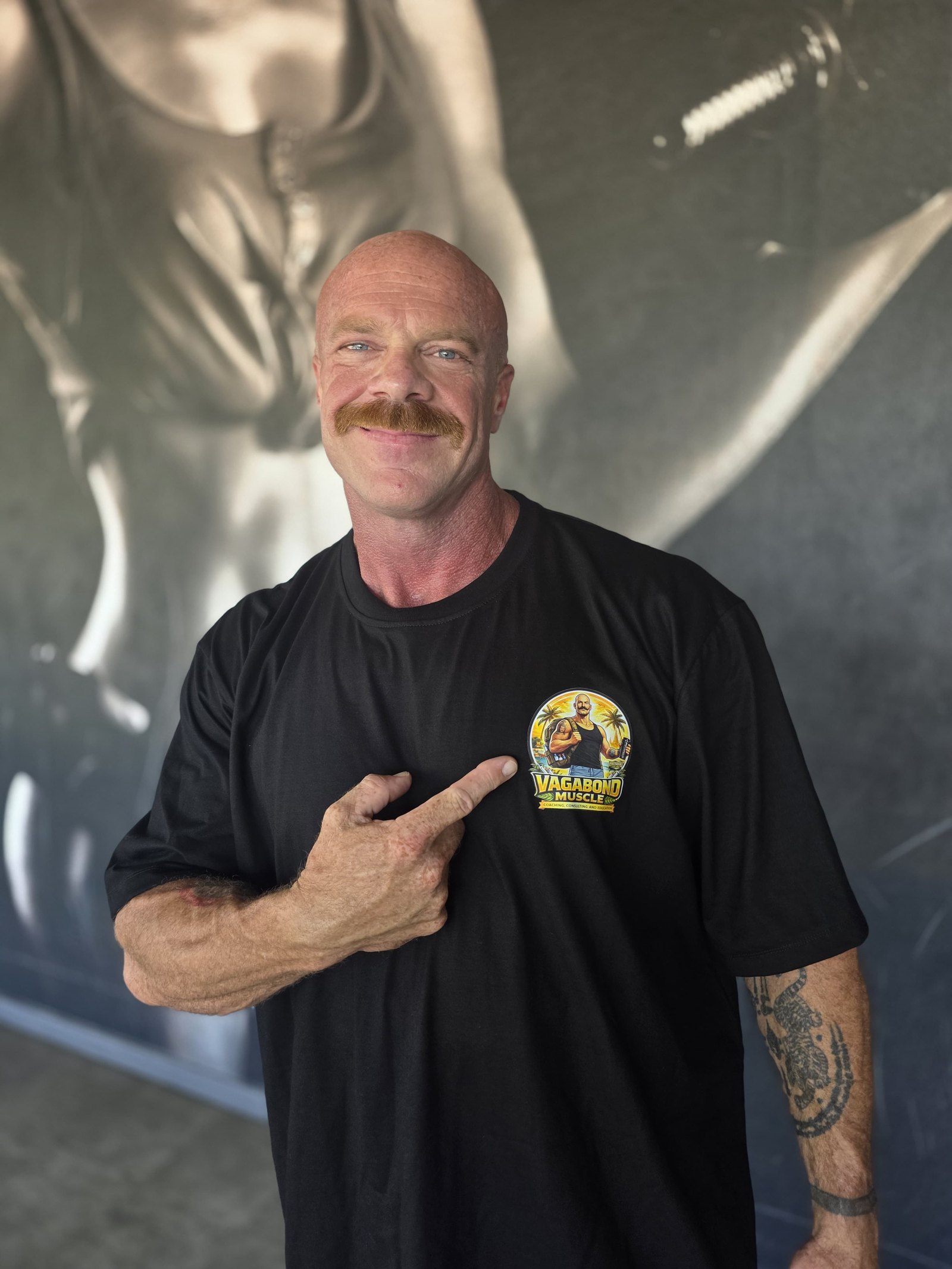
I'm Jordan Schwartz. I'm a competitive bodybuilder and a J3U-certified coach, and I train and coach out of Pattaya, Thailand.

I coach lifters 35+ because it's the problem I understand from the inside — managing recovery, training around a real life, and building muscle on a body that doesn't respond the way it did fifteen years ago.

I also still compete. Which means the protocols I put you on are the ones I run on myself, under conditions where getting it wrong is visible on stage.

Why 35+

Because the advice doesn't transfer. Most training content is written by and for people in their twenties, whose recovery capacity hides a multitude of programming sins. Junk volume just becomes soreness. Bad exercise selection gets absorbed.

Past 35, that margin narrows. Not your ability to build muscle — the research is clear that you still can, and studies comparing trained men in their twenties to men aged 35–54 have found no meaningful difference in power output, perceived exertion, or recovery from training.

What changes is how much error you can absorb. The program that built you at 27 is now quietly holding you back, and nothing about how it feels will tell you that.

That's a programming problem. It's solvable. It just needs someone measuring the right things.

How I work

Every block has a hypothesis. You'll know what each mesocycle is testing and what result would count as success. When something doesn't work, we know why, and we change one variable — not the whole plan.

Check-ins produce decisions. Weight, waist, training performance, sleep, and biofeedback go in. A specific adjustment comes back — on video, walking you through the numbers.

Volume matches your recovery, not your ambition. That usually means less than you think — and progress you can finally see.

Apply for 1:1 coaching →